
Repair or Replace Your Stairs?
By Dave Emery, Owner & Stair Builder Updated August 2026
Not every stair problem needs a full rebuild, and not every stair problem is fixable with a tightened screw. This guide is a diagnostic, not a sales pitch either way: the goal is to help you tell which category your staircase is in, then point you to the right next step, whichever one that turns out to be.
The short version: isolated, surface-level issues are usually repairable. Damage that's spread across multiple treads, reached a structural connection, or compromised the load-bearing material itself usually isn't. The lists below go into the specifics of each.
Signs you can probably repair
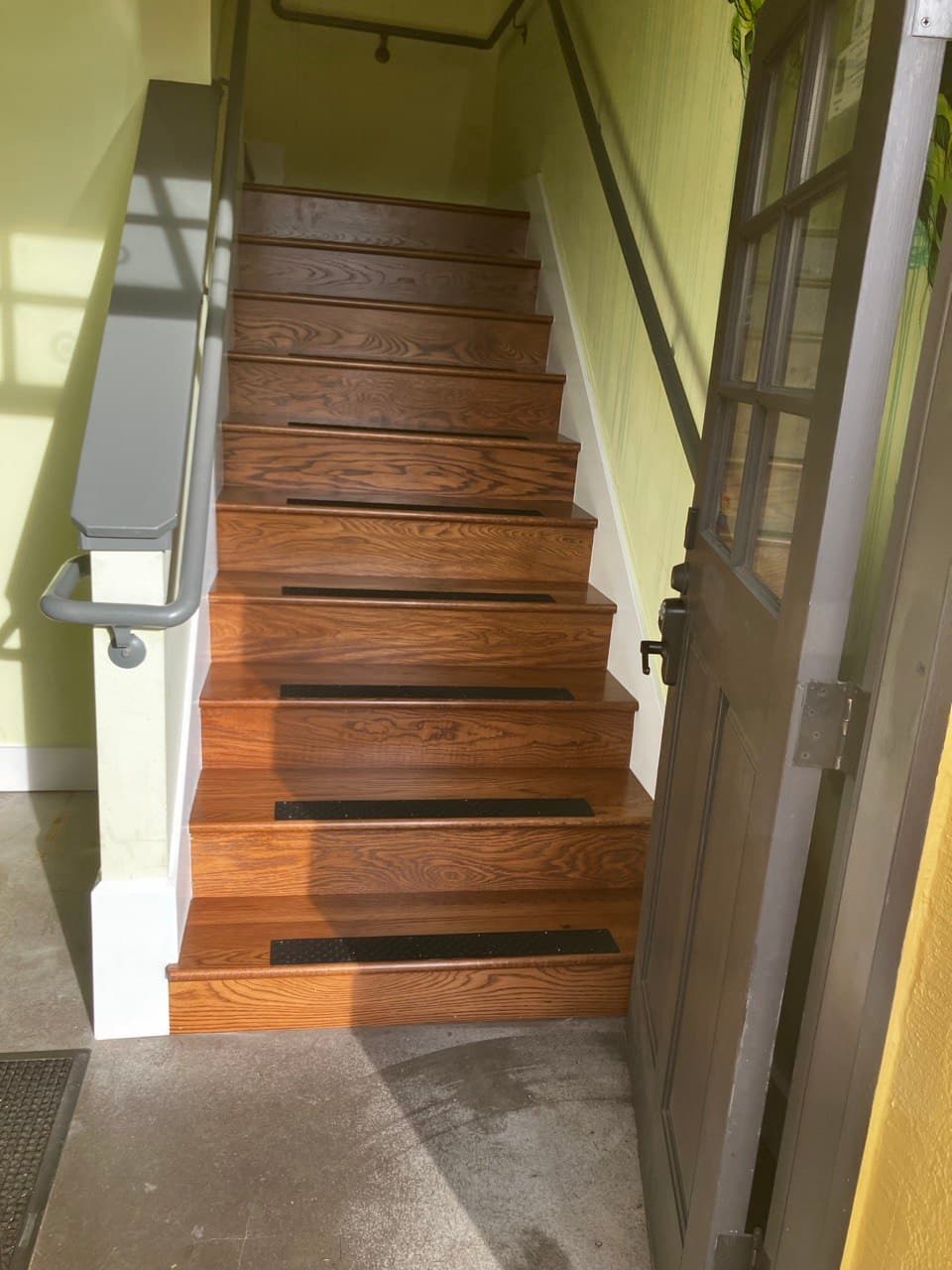
These issues are common, and none of them mean the staircase itself has failed:
Loose railings
usually loose fasteners or brackets, not a structural problem
Squeaky steps
almost always a fastener or friction issue, not a sign of failure. See our squeaky stair fixes for the DIY version before calling anyone
Minor surface wear
scuffs, small dents, or finish wear that's cosmetic, not structural
A wobbly handrail from loose fasteners
tightening the connection usually resolves it completely
If everything on your staircase falls into this list, you're very likely looking at a repair, not a replacement. What all four have in common is that they're isolated (a single connection point, a single tread, a single spot of wear) rather than a pattern that repeats across the whole run. That distinction, isolated versus widespread, matters more than how bad any one symptom looks on its own.
Signs it's time to replace
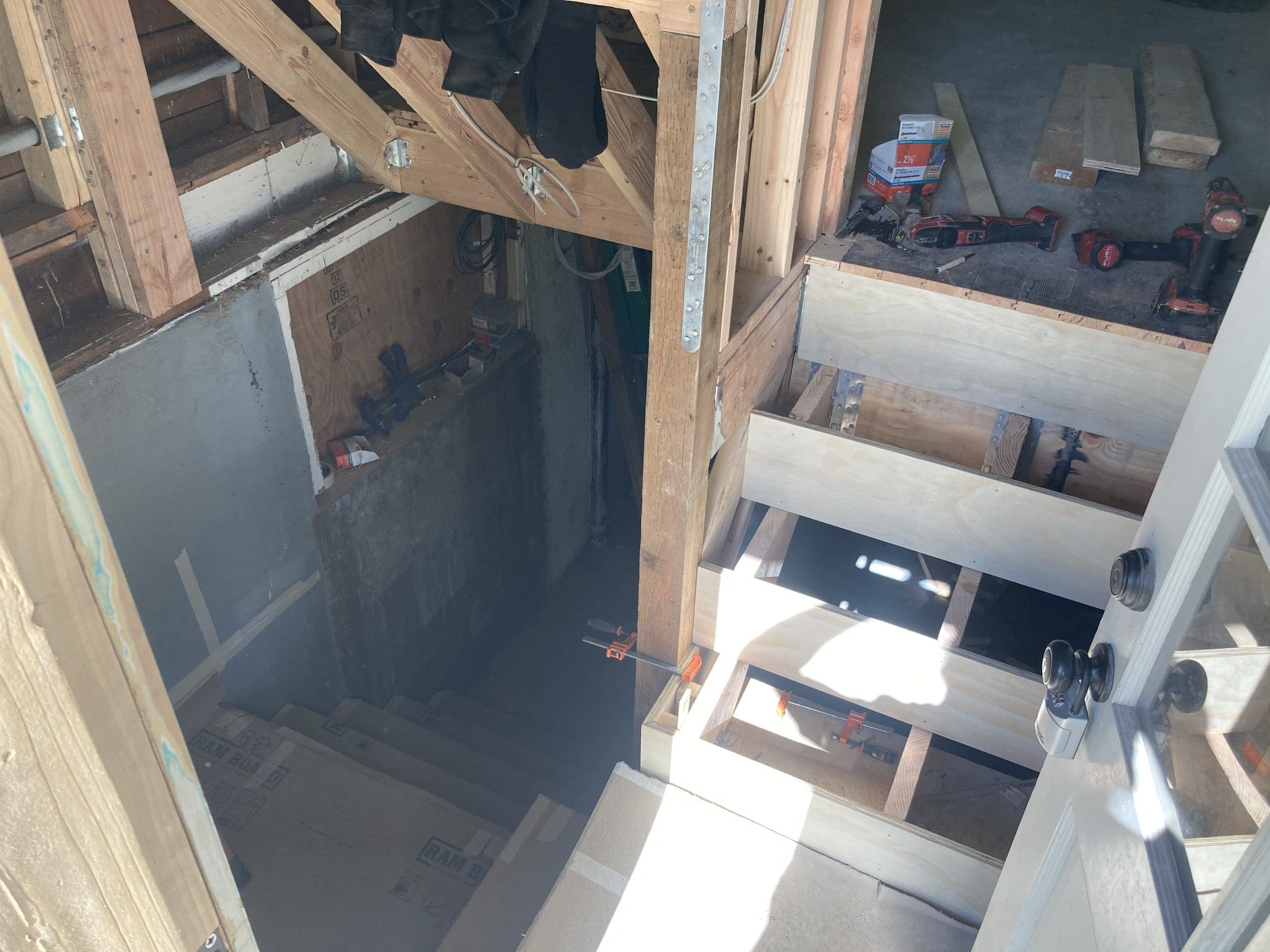
These are different in kind, not just degree. They point to the structure itself, not just the surface:
Broken or cracked treads spanning multiple stairs
not an isolated crack, but a pattern across the run
Deep cracks near the newel post connection
the newel post anchors the whole railing system; damage there is structural
Wood rot or termite damage
once material has failed, repair doesn't restore strength, it just delays the problem
Rusting structural metal
corrosion that's compromised load-bearing steel, not just surface finish
Overall structural wobble
the staircase itself moves underfoot, not just the handrail
If you're seeing any of these, replacement is very likely the right call. Our stair replacement cost guide covers what that costs, by scope. What separates this list from the repair list above is scope and location: damage that spans multiple treads instead of one, or that's reached a connection point the whole structure depends on, isn't something a fastener or a patch fixes for good. Repairing around a structural problem usually just relocates the failure rather than resolving it.
When Repair vs. Replace Is a Close Call
Some staircases don't sort cleanly into either list: a wobble that comes and goes, a crack that looks minor but you can't see what's behind it, a squeak that's stuck around after you've tried the obvious fixes. That's normal, and it's exactly what a professional assessment is for. The visible surface of a staircase and the condition of what's underneath it (stringers, connections, framing) aren't always the same story, which is why a guess from photos alone is a lot less reliable than someone testing the structure in person.
If you're in that gray area, the fastest path to an answer isn't more research. It's getting eyes on the real staircase. A site visit lets us check the things a photo or a written description can't: whether a crack goes through the tread or just the finish, whether a stringer has flexed or just looks like it might have, and whether a repair will hold or just buy a few months before the same problem resurfaces somewhere else on the same run.
A common version of this: a tread that's cracked but only near the edge, on a staircase that otherwise feels solid underfoot. That can go either way depending on how far the crack runs and whether it's reached the tread's structural core, which is exactly the kind of distinction that's hard to make from a photo alone. Treat any borderline case as worth a second look rather than guessing at which list it belongs on.
How Material Affects the Repair-or-Replace Call
Wood and metal fail differently, so what you're looking for differs by material. Wood risks rot and termite damage over time, especially anywhere moisture collects: under a stair stringer, at an exterior entry, or near a foundation wall. Both are often invisible from the top of the tread, which is part of why a wood staircase can look completely fine right up until it doesn't. Metal risks rust instead, particularly at welds, connection points, and anywhere the original finish has worn through and exposed bare metal to moisture. Surface rust on a handrail is cosmetic; rust that's compromised a structural weld or connection is not, and telling the two apart usually takes more than a visual check.
In both cases, age and traffic factor in as much as visual condition. A staircase that looks fine but sees heavy daily use (a main household stairway, for instance, versus a rarely used basement run) wears out faster than its appearance suggests. And a staircase that's simply old, regardless of how it looks today, is worth a closer look than a quick glance provides, if only because most of what determines repair versus replace is happening somewhere you can't see from the top step.
How often should I inspect my stairs?
At least once a year is the general guidance for a typical residential staircase, with more frequent checks for high-traffic stairs or ones exposed to weather. Our staircase maintenance guide has the full inspection checklist. This page focuses on the repair-vs-replace decision, not the ongoing routine.
Can a cracked stair tread be repaired instead of replaced?
It depends on where and how deep the crack is. A superficial, surface-level crack is generally repairable: filled, sanded, and refinished without touching the tread's strength. A deep crack that spans the tread or reaches a structural connection point usually means replacement instead, since a repaired crack in a load-bearing spot can look fine on the surface and still fail under weight later. When in doubt, treat any crack near an edge, a support, or a fastener location as the deeper kind until someone's confirmed otherwise.
Is a wobbly handrail always a sign of a bigger problem?
No. Most of the time it's just loose fasteners or brackets, and tightening them fixes it completely. The exception is a wobble that persists after you've tightened everything accessible; that usually signals rot or damage at the post base itself, which is a structural issue rather than a hardware one. If tightening the visible connections doesn't stop the movement, stop treating it as a quick fix and have someone look at the post base directly.
Can a project be part repair and part replacement?
Yes, and it's common. A staircase might need a full tread replacement while the railing only needs tightening, or the other way around. The repair-versus-replace call isn't always all-or-nothing for the whole structure; it can be made component by component, based on which parts show the isolated wear above and which show the structural signs. A site visit is what identifies where that line falls on your specific staircase.
More on Repair vs. Replace
How long do staircases usually last?
It depends heavily on material, traffic, and exposure: a well-built interior staircase kept dry and maintained can last decades, while one exposed to moisture or heavy daily use will show its age much sooner. There isn't a reliable single number that applies across materials and conditions, so treat any specific lifespan claim you see elsewhere with some skepticism.
Will repairing my stairs pass a home inspection?
A well-executed repair on a structurally sound staircase generally passes inspection without issue. What matters to an inspector is the current condition and code compliance of the staircase, not whether it was repaired or original. A quality repair job is not a red flag on its own. Where repairs can cause trouble is when they're cosmetic patches over a structural problem, which is exactly the scenario this guide is meant to help you avoid.
Does a repair or replacement affect my home's resale value?
Buyers and their inspectors notice a staircase that feels solid, and they notice one that doesn't. A stable, code-compliant staircase is one of the few structural features people register within seconds of walking in. Whether that staircase was repaired or fully replaced matters far less than whether it's currently sound; a quality repair on the right kind of problem holds up just as well as a replacement in the eyes of a future buyer.
Which typically costs less, a repair or a full replacement?
Repair is almost always the smaller bill, since it addresses a single point of failure rather than rebuilding the structure from the framing up. That gap is exactly why this guide leads with diagnosis: the same crack or wobble can be a five-minute fix or the first sign of a bigger job, and knowing which one you're looking at controls the total cost more than either option's price on its own. Our stair maintenance guide breaks down typical repair-tier costs by task, a useful reference point before assuming the bigger number applies to you.
Ready to move forward either way? Start your stair replacement if the signs point that way, or get a stair repair if they don't.